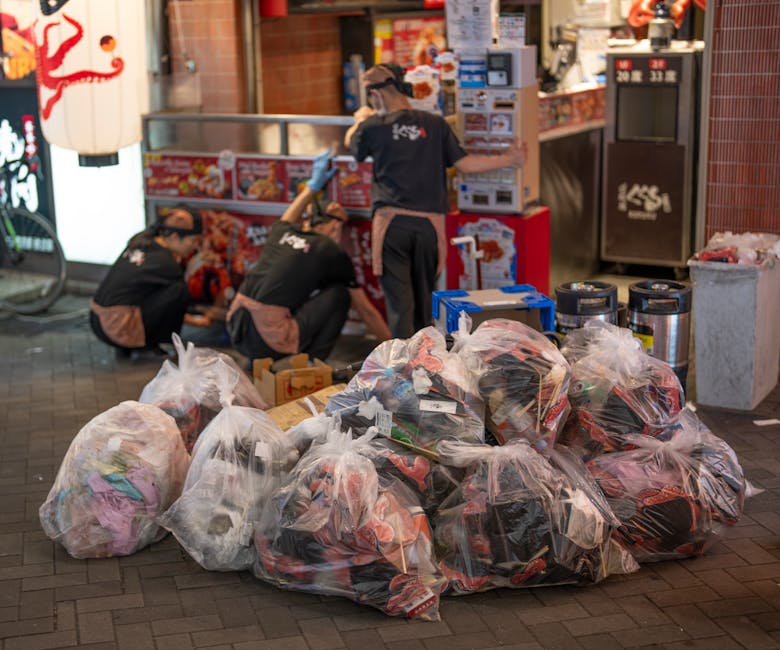
Small business rubbish clearance Balham High Road shops: a practical guide for busy local retailers
If you run a shop on Balham High Road, you already know how quickly rubbish can creep up on you. A few broken display bits, a stack of delivery packaging, an old fridge in the back room, and suddenly the stockroom feels smaller than it should. Small business rubbish clearance Balham High Road shops is really about keeping that space workable, safe, and presentable without turning waste removal into a full-time job.
This guide explains how shop rubbish clearance works, when it makes sense, what to look out for, and how to avoid common mistakes. It is written for real-world retail life: quick turnaround, limited storage, neighbours next door, and not much patience for clutter. Fair enough, really.
For business owners who want a broader view of ongoing waste handling, the service overview on business waste removal is a useful starting point, while the team's pricing and quotes page can help when you are weighing up options.
Table of Contents
- Why this matters for Balham High Road shops
- How the clearance process works
- Key benefits and practical advantages
- Who this is for and when it makes sense
- Step-by-step guidance
- Expert tips for better results
- Common mistakes to avoid
- Tools, resources and recommendations
- Law, compliance and best practice
- Options and comparison table
- Case study or real-world example
- Practical checklist
- Conclusion
- Frequently asked questions
Why Small business rubbish clearance Balham High Road shops Matters
On a busy retail street, waste is not just a back-of-house nuisance. It affects how your shop looks, how staff work, how quickly deliveries are unpacked, and how safely everyone moves around. A narrow storeroom with cardboard bales, packaging straps, old shelving and dead stock becomes a bottleneck very quickly.
For Balham High Road shops, the pressure is often practical rather than dramatic. You may not have a loading bay. You may have limited pavement access. You may share a building with flats above. And if rubbish sits too long, it starts to affect everything: odour, pest risk, trip hazards, customer impressions, even staff morale. Nobody wants to start the day stepping around a mountain of flattened boxes before the kettle's even boiled.
There is also the simple matter of time. A shop manager or owner is usually dealing with tills, staff rotas, suppliers, customers, and maybe a hundred other things. Chasing disposal on top of that is not ideal. This is where a structured small business clearance service can take the pressure off. It keeps the space moving and lets you get back to trading.
Expert summary: good shop rubbish clearance is not about removing "junk" once in a while. It is about preventing clutter from becoming an operational problem.
How Small business rubbish clearance Balham High Road shops Works
In most cases, the process is straightforward. You identify what needs removing, arrange a collection, and a team comes to load and clear the waste from your premises. The main difference between a decent clearance and a frustrating one is planning. A little organisation up front saves a surprising amount of hassle later.
For retail settings, the service often covers mixed commercial waste such as packaging, broken fittings, old shelving, damaged stock, unwanted furniture, general junk from a refit, and items that have become impossible to store neatly. If you are replacing counters or rearranging displays, you may also need something closer to builders waste clearance because shop fit-outs can create timber offcuts, plasterboard, tiles, and similar debris.
The general flow usually looks like this:
- You decide what needs to go and separate anything sensitive, hazardous, or reusable.
- You request a quote or book a collection time.
- The clearance team arrives and assesses access, volume, and item types.
- Items are loaded manually or with suitable equipment.
- Waste is removed for sorting, recycling, or disposal.
That sounds simple, and mostly it is. The details matter though. A shop clearance in a tight High Road unit is not the same as clearing a big warehouse yard. The best providers understand tight doorways, awkward stair access, service entrances, and the need to work without blocking trade for long.
If you are replacing old fittings, furniture clearance and furniture disposal are often relevant, especially for shelving, desks, display cabinets, and seating. For heavier or awkward items such as worn-out refrigeration, fridge and appliance removal is a more suitable route.
Key Benefits and Practical Advantages
There are obvious benefits, like getting the rubbish out. But the better value often comes from the quieter advantages that make daily operations smoother.
- Better use of space: a tidy stockroom or rear area helps staff move faster and store goods properly.
- Safer working conditions: fewer trip hazards, less lifting around obstacles, and fewer blocked exits.
- Improved customer impression: even if customers never see the back room, clutter has a habit of creeping into visible areas.
- Less staff stress: when waste builds up, small tasks become more awkward than they should be.
- Faster changeovers: if you refresh displays or rotate stock often, regular clearance supports that rhythm.
- More predictable operations: rubbish removal on a schedule is easier to budget for and easier to manage.
There is also the recycling angle. Retail waste can include a lot of recoverable material, especially cardboard, mixed packaging, metal fixtures and some timber. A responsible service should sort items where possible and keep the environmental impact in check. That is where a page like recycling and sustainability becomes genuinely relevant, not just decorative website copy.
And yes, you will notice the difference quickly. A clear stockroom feels calmer. Sounds odd, maybe, but it does.
Who This Is For and When It Makes Sense
This kind of clearance is a good fit for small retailers, independent shop owners, franchise sites with limited back-of-house space, and any business on Balham High Road that generates frequent clutter. Think convenience stores, beauty shops, small fashion outlets, phone repair shops, gift shops, takeaway counters, and specialist retailers with compact premises.
It makes sense when:
- you are doing a refit or seasonal reset
- old stock is taking up room and cannot be sold
- packaging waste is outpacing your normal bins
- a fridge, counter, shelf unit, or display fixture has reached the end of its life
- you need a one-off deep clear before inspection, handover, or reopening
- staff are spending too much time managing clutter instead of serving customers
It is also useful if you are between landlords' requirements and your own practical reality. Let's face it, commercial units can get messy fast. One delivery delay and the back room can look like a cardboard cave by Friday afternoon.
If your shop also has storage above or below the main trading area, related services such as loft clearance or garage clearance may be helpful for clearing long-stored items, archive boxes, or surplus fittings that have quietly become permanent residents.
Step-by-Step Guidance
The easiest way to avoid a chaotic clearance is to treat it as a small project rather than a last-minute job. Here is the process I would recommend for most shop owners.
1. Walk the premises first
Do a proper sweep through the shop, storeroom, basement, and rear access areas. Look for anything that is broken, unused, unsafe, or simply taking up space. Be honest here. If a shelf unit has been "temporarily" leaning against a wall for nine months, it is probably not temporary any more.
2. Separate the waste types
Group items into broad categories: cardboard and packaging, old furniture, electrical items, mixed rubbish, confidential paperwork, and anything hazardous. This helps the clearance team plan the job and avoids surprises on the day.
3. Identify anything that needs special handling
Some items cannot just be bundled into general rubbish. That includes hazardous materials, broken refrigeration, chemicals, or items containing sensitive data. If you have papers, records, or customer information to dispose of, consider confidential shredding rather than mixing documents into general waste.
4. Check access and timing
Think through where the team will enter, where the waste is located, and whether the job can be done before opening, after closing, or during a quieter window. For a shop on a busy road, timing is more than a convenience. It can be the difference between a tidy handover and a blocked doorway.
5. Ask for a clear quote
Good quotes should be based on the volume, item type, labour needed, and access difficulty. If a provider gives a number without understanding your setup, be cautious. It is better to ask a few practical questions than to guess and regret it later.
6. Prepare the items
Where possible, place items in a single area, break down cardboard, and keep useful objects separate from rubbish. If there are mixed loads, label them or at least keep a rough list. Small effort, big payoff.
7. Confirm removal and follow-up
After the collection, check that the agreed areas are clear and that any remaining items were intentionally left. If your business needs repeat clearances, set a simple schedule so waste does not creep back in.
Expert Tips for Better Results
A few small habits make shop clearance much smoother. These are the things that tend to separate the organised businesses from the ones forever fighting the same clutter.
- Clear before it becomes urgent. The earlier you act, the easier it is to sort, lift and schedule.
- Use a simple waste log. It does not need to be fancy. Just a note of what goes out and when.
- Keep recycling separate where you can. Cardboard and clean packaging are easier to handle when not mixed with food waste or liquids.
- Check appliance status early. Refrigeration and display equipment often need special treatment, so flag them in advance.
- Think in access routes, not just waste piles. A pile that looks small in a back room can become awkward if it has to pass through a narrow corridor.
- Plan around deliveries. The best time to clear rubbish is often before fresh stock arrives, not after.
A small but useful habit: keep one dedicated "clearance corner" for broken or unwanted items. That stops them from spreading across the unit like weeds. Sounds basic, but it works.
If your shop is part of a larger business with several locations or back offices, you may also want a linked approach to office clearance so paperwork, chairs, monitors, and storage furniture do not create a second clutter problem elsewhere.
Common Mistakes to Avoid
Most clearance headaches come from the same handful of mistakes. They are easy to make, especially when you are busy, but they are also easy to avoid once you know what to look for.
- Leaving everything until the last minute. That leads to rushed decisions and poor sorting.
- Mixing special waste with general waste. This is risky and can delay removal.
- Not checking access. The team may arrive ready to work, only to find the rear gate locked or the staircase unusable.
- Forgetting about hidden waste. Behind counters and under shelving, stuff accumulates quietly.
- Assuming every item can go together. It cannot. Appliances, hazardous waste, and sensitive items need thought.
- Not confirming what happens after collection. You want to know the waste is handled properly, not just taken away.
Another frequent issue is underestimating volume. One stack of boxes looks manageable. Then you move the display stand, and there are three more piles behind it. That old surprise, again.
Tools, Resources and Recommendations
You do not need complicated tools to manage shop rubbish well. Most of the work is organisation, not equipment. Still, a few basics help.
| Tool or resource | Why it helps | Best use |
|---|---|---|
| Labelled bags or boxes | Keeps waste types separate | Documents, packaging, small mixed items |
| Tough gloves | Helps staff handle awkward debris safely | Pre-sorting before collection |
| Simple inventory list | Reduces surprises and missed items | Clearance planning |
| Flat trolleys or dollies | Makes moving bulky items easier | Shelves, appliances, boxed stock |
| Strong tape and markers | Helps label loads and access notes | Mixed clear-outs, back room organisation |
For waste that includes items beyond standard rubbish, a few service pages are worth keeping in mind. Hazardous waste disposal is the right direction for anything risky, while insurance and safety is a helpful page to review if you want reassurance about how a provider thinks about risk on site.
If you are unsure about what can be loaded with mixed waste, the guide on what can go in a skip is still useful as a general reference point, even if your business uses a collection service rather than a skip. The categories often overlap.
Law, Compliance, Standards, or Best Practice
For shop owners, rubbish clearance is not only a logistics issue. It can touch on health and safety, waste duty of care, and data handling. The precise obligations depend on the waste type and how your business operates, so it is wise to use care rather than assumptions.
In UK business practice, the sensible baseline is this: waste should be stored safely, kept away from customer areas where possible, and handled by a service that knows how to process it correctly. If there are electrical items, food-contact equipment, glass, sharp materials, or liquids involved, extra caution is needed. If there is confidential paper, use a proper destruction route. If there is anything hazardous, do not mix it into general rubbish and hope for the best. Hope is not a disposal strategy.
Good providers usually explain their process clearly, including what happens to recyclable material and how access, lifting, and safety are managed. It is reasonable to ask about their health and safety policy, how they handle payment and security, and whether their service terms are clear enough to prevent surprises. If anything feels vague, ask again. Polite persistence is underrated.
When in doubt, choose the practical path that protects staff, customers, the building, and the business records. That is the real standard, honestly.
Options, Methods, or Comparison Table
Shop owners usually have three main options: use general bins and internal handling, hire a clearance service, or arrange a skip. Each has its place. The best choice depends on space, waste type, and how quickly you need things gone.
| Method | Best for | Pros | Trade-offs |
|---|---|---|---|
| Internal bin management | Small, routine waste | Simple, cheap, already in place | Not suitable for bulky or sudden clear-outs |
| Professional rubbish clearance | Mixed, bulky, one-off or urgent waste | Fast, flexible, labour included | Depends on access and load size |
| Skip hire | Longer projects or ongoing refurb waste | Good for sustained loading over time | Needs space and can be awkward on busy roads |
For a lot of Balham High Road shops, a clearance service is the most practical. It avoids the need to keep waste on site for too long and reduces the logistics of loading a skip in a busy retail setting. That said, if you are planning a larger refurbishment, a skip-related approach may still be workable. The key is to match the method to the job, not the other way around.
For a retailer with mixed inventory, old fixtures and a bit of building debris, a combination approach sometimes makes sense: use regular waste handling for day-to-day rubbish, then book a one-off clearance for the bulky stuff. Sensible, not dramatic.
Case Study or Real-World Example
Picture a small independent shop on Balham High Road preparing for a mid-season refresh. The owner wants to replace tired display shelving, clear some dead stock, remove old packaging from the rear room, and get rid of a broken under-counter fridge that has been sitting there making everyone annoyed every time they walked past it.
Instead of trying to sort it all in a rush on a Monday morning, the owner makes a simple plan. First, staff separate cardboard, reusable fixtures, and waste. Then they list the bulky items, including the fridge and old shelving. Next, they choose an out-of-hours collection slot so the entrance stays open during trading. On the day, the clearance team removes the mixed items in one go, and the shop reopens with space to spare.
The practical result is not just a cleaner back room. Staff can restock faster, deliveries are easier to store, and the shop floor feels less cramped. Customers may never know what changed behind the scenes, but the business feels lighter. That is often how these jobs pay off. Quietly, but properly.
If the project had included old sofas in a seating area or waiting corner, mattress and sofa disposal would also be relevant, especially where bulky upholstered items need separate handling.
Practical Checklist
Use this checklist before booking a clearance for your shop.
- Identify every area that contains waste, not just the obvious one
- Separate cardboard, furniture, appliances, paperwork, and general rubbish
- Flag anything hazardous or confidential
- Confirm access routes, opening hours, and any lock-up instructions
- Check whether items need dismantling before collection
- Make a quick inventory of bulky objects
- Ask what happens to recyclable material
- Review quote details carefully
- Keep the collection area clear on the day
- Decide how often you will repeat the process if waste builds up again
This is the kind of simple preparation that saves time, money, and a fair bit of aggravation.
Conclusion
Small business rubbish clearance Balham High Road shops is really about keeping a commercial space functional, safe, and ready for trade. The best clearances are planned, tidy, and matched to the realities of retail life on a busy London high street. You do not need perfection. You need a system that works, respects your time, and clears the mess without creating new problems.
Whether you are dealing with packaging overflow, a refit, old furniture, appliances, or confidential paperwork, the right approach is usually the same: sort first, book sensibly, and choose a service that understands business premises. If you keep that rhythm, the whole thing becomes much easier. And once the clutter is gone, the shop tends to breathe a bit better too.
Get a free quote today and see how much you can save.
When your shop feels cramped or the back room has become a bit of a catch-all, sorting it out sooner usually feels better than putting it off. That small decision can make the whole week run smoother.
Frequently Asked Questions
What types of waste do small shops on Balham High Road usually need removed?
Most shops need a mix of cardboard, packaging, old display items, broken furniture, dead stock, and occasional electrical items. Some also need appliance removal or confidential shredding depending on what they store on site.
Is shop rubbish clearance the same as business waste removal?
They overlap, but not exactly. Business waste removal usually covers ongoing waste handling, while shop rubbish clearance is often a one-off or occasional service for bulky, mixed, or accumulated items.
How do I know if I need furniture clearance instead of general rubbish removal?
If the main items are shelving, chairs, counters, cabinets, or other bulky fixtures, furniture clearance is usually the better fit. If it is mostly loose rubbish and packaging, general removal may be enough.
Can old shop fridges and appliances be taken away?
Yes, but they should be handled as appliances rather than ordinary rubbish. Fridges, freezers, and similar items often need separate removal because of their size and components.
What should I do with paperwork and customer records?
Anything containing sensitive or personal information should go through a proper destruction route. Confidential shredding is the sensible option rather than tossing documents into general waste.
How far in advance should I book a clearance?
If the job is routine, a short lead time may be fine. If it involves bulky items, awkward access, or a busy trading period, it is better to book ahead so you can choose a sensible time slot.
Will the clearance team sort recycling for me?
Many reputable teams will sort recyclable material where practical, but it is worth confirming this beforehand. Cardboard, metal, and some timber often have separate handling routes.
What if my shop has limited access at the back?
That is common on high streets. Tell the provider in advance about narrow corridors, steps, shared entrances, or parking limits so they can plan the collection properly.
Do I need to separate hazardous waste myself?
Yes, you should identify it early and keep it apart from general rubbish. Hazardous materials need special handling, and it is not worth guessing if an item qualifies.
Can a clearance be done outside trading hours?
Often, yes. Out-of-hours work can be useful for shops that cannot afford to block the entrance during the day. It also reduces disruption for customers and staff.
What is the main advantage of using a clearance service instead of hiring a skip?
A clearance service usually handles the lifting and loading for you, which is ideal for busy shops with limited space. A skip can be useful for longer projects, but it needs room and more on-site management.
How can I keep rubbish under control after the clearance?
Use a simple routine: separate waste daily, make staff responsible for one area each, and book periodic removals before clutter starts building up again. A little discipline goes a long way.