Commercial Waste Removal in Balham
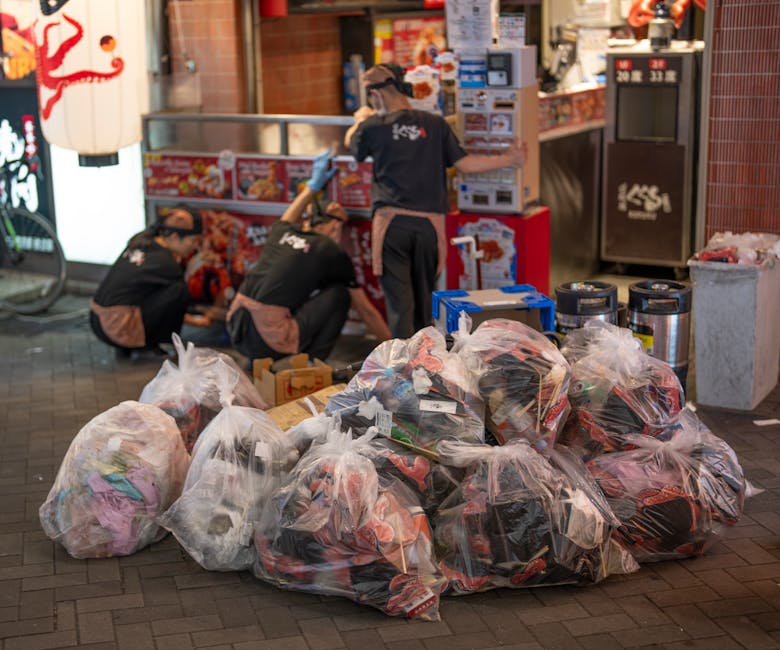
Commercial waste removal in Balham needs a service that keeps trading premises clear, handles mixed business rubbish properly and leaves space ready for normal work to continue. We deal with regular and one-off waste streams for local organisations that need practical collection rather than a complicated process. From office clearances to shopfit waste, the aim is simple: remove the material, sort it sensibly and make the handover straightforward.
Our work is built around business premises that produce furniture, packaging, office contents, equipment and other non-hazardous waste that should not be left to build up. We can also support larger clearances where several waste types appear together, using a careful, organised approach that keeps items separated where needed. If your priority is to restore usable floor space or clear a back room, our commercial waste removal service in Balham gives you a direct route to do that.
For a quotation, send a short description of the job and the kind of waste involved. If the load includes specialist items, let us know early so the right arrangement can be discussed. You can also use our pricing and quotes page if you want to understand how estimates are usually put together before making contact.
Office and Business Premises Waste
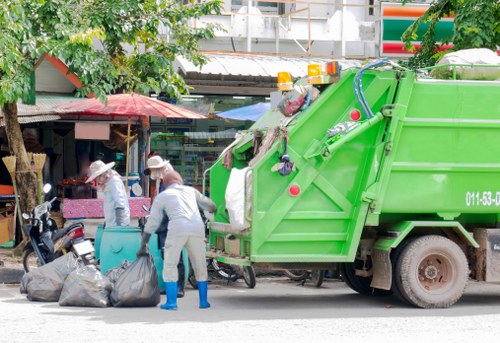
Busy workplaces often need waste cleared without disrupting desks, storage areas or customer access. Our office clearance service suits businesses that are replacing furniture, reducing surplus stock or emptying a room that has become difficult to use. We can remove items such as desks, chairs, cabinets, shelving, monitors and mixed office contents, always with attention to access and the layout of the premises.
Where the waste comes from a wider trading operation, our business waste removal service can support ongoing commercial clear-outs as well as occasional jobs. This can be useful when several departments or rooms have different waste types and you want them dealt with in one planned visit. We focus on what is actually present on site and avoid unnecessary handling, which helps keep the process efficient for the customer.
Useful preparatory points are simple: identify which rooms are involved, separate anything that must remain on site, and note whether access is through a reception area, loading point or shared corridor. If there are fragile surfaces, restricted time windows or items that need careful lifting, mention those early. Clear instructions at the start make it easier to organise the work properly and reduce delays when the collection begins.
Household-Style Clearances for Commercial Premises
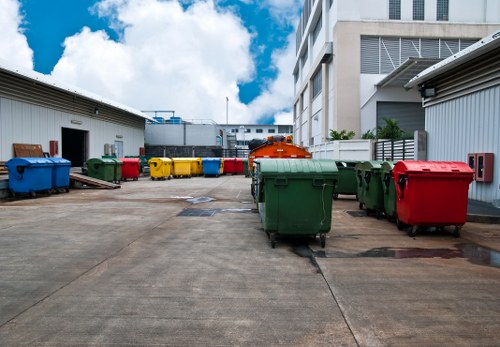
Some commercial properties accumulate mixed contents that are closer to domestic clearances than standard office rubbish. For those situations, our house clearance, flat clearance and home clearance pages relate to the kind of item mix that may appear in managed accommodation, staff housing, rented property or estate-related storage. The important point is not the label, but whether the contents need sorting, loading and removal in a tidy and responsible way.
If the waste includes furniture, broken fittings or loose household items, a broader collection may be more suitable than a narrow single-item job. Our furniture clearance and furniture disposal pages cover heavier items that are common in offices, hospitality spaces and serviced accommodation. Sofas, tables, storage units and similar pieces can often be removed alongside smaller mixed items, provided the collection details are made clear in advance.
When planning this type of work, it helps to think in layers: what stays, what goes and what needs separate handling. A short written list, a few photographs or a basic inventory can make the quotation more accurate, especially where several rooms or storage areas are involved. That does not need to be a formal survey; it simply gives the job a practical shape before collection day. Please ask for a quotation when you are ready.
Specialist Item Removal and Unusual Waste

Not every commercial clearance is made up of standard desk waste. Some premises need help with heavy, awkward or restricted items that should be removed separately from general rubbish. Our fridge and appliance removal page covers common white goods and electrical items that may appear in kitchens, staff rooms or hospitality settings. These need proper handling because they are bulkier than everyday bags and cartons.
Where furniture or fitting waste dominates the job, the mattress and sofa disposal page is useful for understanding how bulky soft furnishings are approached, while the garage clearance and loft clearance pages describe situations where access is tighter and the contents are often mixed. These pages reflect different kinds of waste rather than separate promises, and they are best read as examples of the kinds of load we can manage when the job is properly described.
If there are items you are unsure about, mention them before booking rather than leaving them until collection day. That is especially important for anything large, dense, damaged or likely to need extra care while being moved. A simple list is usually enough to start the discussion, and it helps keep the work focused on what matters. It is better to ask once than to make assumptions about how the waste should be treated.
Commercial Waste Sorting, Recycling and Responsible Disposal
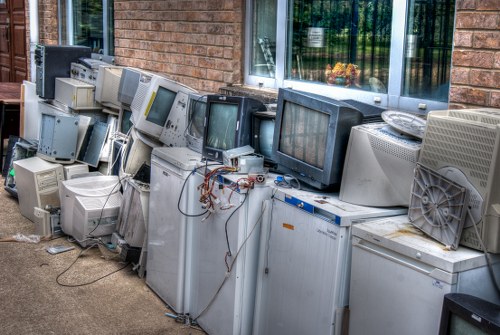
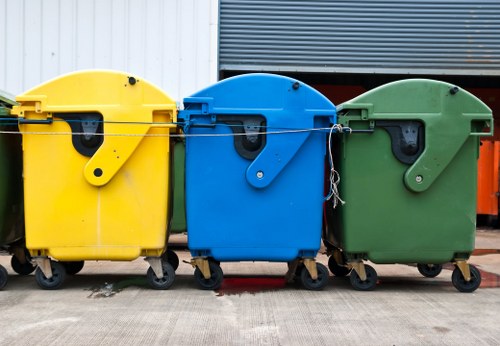
The way commercial waste is sorted matters just as much as the loading itself. In many jobs there is a mix of recyclable material, reusable fixtures and general rubbish, so it makes sense to separate those streams where possible before removal. Our recycling and sustainability page covers the broad approach to recovering materials and avoiding unnecessary disposal, which is especially relevant when a workplace is clearing several categories of items at once.
Where duty of care and handling standards are a concern, the insurance and safety page explains the practical emphasis on safe removal, while the health-and-safety-policy page sets out the general framework that supports work on site. We also provide a hazardous waste disposal page for material that needs extra caution and should not be mixed with ordinary commercial refuse. These are important distinctions because not all waste can be treated in the same way.
For businesses, the most useful plan is usually the simplest one: decide which items are general waste, which can be recycled and which require separate handling. If you are arranging a larger clearance, note where the material is stored and whether any access restrictions apply. That information can be brief, but it should be accurate, because it shapes how the collection is arranged and what can be quoted for properly.
Booking, Quotations and Access
When you contact us for commercial waste removal in Balham, it helps to describe the volume of waste, the type of premises and whether the items are easy to reach. If the collection is from a basement, upper floor, service yard or shared building, say so clearly. The more precise the outline, the more straightforward it is to discuss the work and prepare a sensible quotation. For many customers, that first description is enough to move the job from uncertainty to a workable plan.
We do not need a long explanation, but a few practical details are helpful: the rough amount of waste, any heavy pieces, the floor level and the best point of access. If you are clearing several spaces, let us know whether they can be done together or need to be dealt with in stages. When you are ready to proceed, use the book online page if that suits your preferred way of making an enquiry.
For a direct quotation, the key is clarity rather than formality. You can send a simple list or a short message outlining the work, and we can take it from there. If the job needs more discussion because of mixed contents or restricted access, that can be handled before anything is booked. Good planning saves time, but it does not need to be complicated.
About Balham
Balham is a district in south London within the London Borough of Wandsworth, known for its position between Clapham, Streatham and Tooting. The area sits on a mix of transport routes and residential streets, with Balham station providing Underground and rail connections that have helped shape its identity as a busy inner-London neighbourhood. Its streets combine late Victorian and Edwardian housing with later development, creating a varied built environment rather than a single uniform streetscape. The area grew significantly in the nineteenth and early twentieth centuries, when rail access encouraged suburban expansion and new local services. Today Balham retains a strong high-street character, with a concentration of cafés, shops and everyday amenities clustered around the station and surrounding roads. Nearby green spaces, including Tooting Bec Common, add an open contrast to the denser urban fabric and remain important to local life. The district also has links to a broader cultural history through its pubs, music venues and long-standing reputation as an active part of south-west London’s social landscape. Its name is often associated with a lively residential-commercial mix, where apartment buildings, terraces and mixed-use parades sit close together. That combination gives the area a clearly urban feel while still retaining quieter side streets and pockets of greenery. Balham’s development reflects the wider story of south London growth, transport-led change and continuing adaptation of older buildings for modern use.
Other Commercial Clearance Services
Not every enquiry is limited to standard waste removal. If the premises include a yard, outside store or overgrown boundary area, our garden clearance page is relevant to green waste, timber and mixed outdoor debris. The builders waste clearance page is useful when renovations or fit-outs leave rubble, packaging and offcuts behind. These services matter because different waste streams often arise from the same project, and they should be treated according to what they are rather than lumped together.
Where a workspace or storage area contains confidential material, our confidential shredding page explains the handling of sensitive paper records that should not be placed with ordinary waste. For premises that need a broader clean-out, the waste removal page provides a general route into the service, while the about us page gives a little more context about the business itself. These pages are there to help customers match the right job to the right type of collection.
If you are unsure which category your load falls into, choose the one that best matches the main material and mention the rest in your enquiry. That usually leads to a more accurate conversation and avoids last-minute confusion. You do not need to overcomplicate the first message; a straightforward description is usually enough to begin. Please request a quotation when you are ready.
Prices, Scope and Practical Choices
Commercial waste removal costs are usually shaped by the amount of waste, the kind of material involved and how easy it is to collect from the premises. Mixed loads, heavy items and restricted access can all influence the level of work involved, which is why a brief description is more useful than a generic request. The aim is not to guess a price from a slogan, but to understand the job properly so the quotation reflects the actual collection.
Some customers only need a single collection; others want a phased clear-out across multiple rooms or a regular approach to business waste. Both are possible in principle, but the useful detail is in the setup: what is being removed, where it is located and whether any items need separate handling. If you want to compare the options available before making a decision, the what can go in a skip page can help clarify how different waste types are usually grouped in removal work.
In practice, the best choice is the one that fits the premises and the material on site. You may want the whole area emptied in one go, or only a specific section cleared so the rest of the business can continue. Either way, we keep the focus on a sensible, well-described service rather than a one-size-fits-all approach. Ask for a quotation once you know what needs to go.
Final Checks Before Collection
Before a commercial waste collection, it helps to do one last walkthrough of the space. Confirm which items are staying, whether anything is stacked behind others and whether keys, entry codes or site rules need to be arranged in advance. Small details like these can make a practical difference to how smoothly the work begins, especially in shared buildings or active business premises. They also help keep the collection focused on the correct load.
If you are clearing several rooms or combining different waste types, group similar items together where possible and make sure any sensitive material is kept separate from ordinary rubbish. Do not worry about making the site look perfect; a sensible starting point is enough. The main aim is to avoid confusion when the team arrives and to make sure the right material is taken away. That is often the simplest way to keep the collection efficient.
For a straightforward next step, send the details you have and ask for a quotation. If you would rather discuss the load first, that is fine too. Our commercial waste removal service in Balham is designed to make the process direct, practical and suited to the kind of waste you actually need removed. A clear enquiry is the best way to start.