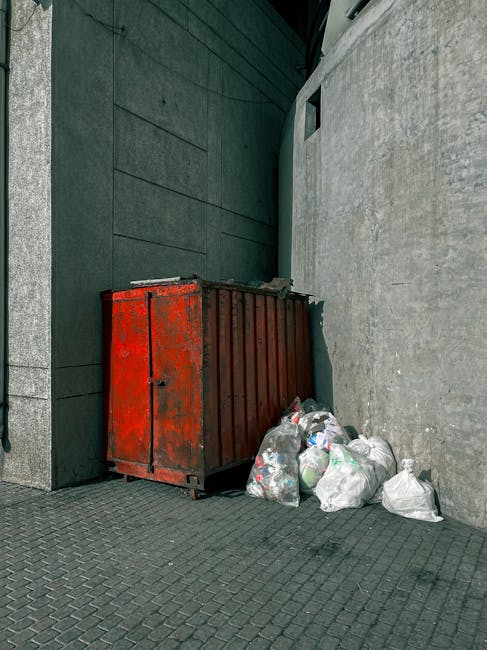
Wandsworth Council rubbish rules and permit guide Balham

If you are sorting waste in Balham, the rules can feel a bit fiddly at first. One minute you are planning a clear-out, the next you are wondering whether a skip needs a permit, where it can sit, and what happens if you leave rubbish on the street for too long. This guide to Wandsworth Council rubbish rules and permit guide Balham explains the practical side in plain English, so you can avoid fines, delays, and the usual last-minute scramble.
Balham sits right on the edge of busy London routines: tight roads, shared access, flats with limited storage, and neighbours who notice everything. That is exactly why it pays to understand how local rubbish rules, skip permits, and safe waste handling work before you start. We will walk through the process, the common pitfalls, and the smarter ways to deal with bulky waste, builders' waste, and household clear-outs.
Why Wandsworth Council rubbish rules and permit guide Balham Matters
Rubbish rules matter because waste is one of those things that looks simple until it is not. Leave a bin bag where it should not be, put out bulky waste the wrong way, or arrange a skip without checking the permit side, and you can end up with avoidable hassle. In Balham, where streets are busy and parking is often tight, even a small mistake can create a bigger problem than the rubbish itself.
To be fair, most people do not set out to break any rules. They are usually just trying to clear a loft, refresh a flat, or deal with renovation debris after a long day. But local waste controls exist for a reason: keeping pavements safe, protecting traffic flow, reducing fly-tipping, and making sure waste is handled properly. If you have ever seen a half-full skip sitting awkwardly by the kerb in a narrow London street, you will know the balance is delicate.
For homeowners, landlords, tenants, tradespeople, and local businesses, understanding the rules can save time and money. It can also help you choose between a skip permit, a man-and-van style waste collection, or a larger clearance service. If your project involves furniture, white goods, building rubble, or a full property clear-out, it is worth checking the right route early rather than fixing mistakes later.
Practical takeaway: In Balham, the best waste plan is usually the one that matches your access, your volume of rubbish, and whether the waste sits on private land or in the public highway. That one detail changes everything.
For wider clear-outs, some readers find it helpful to compare waste removal approaches with services such as general waste removal or property-specific options like house clearance. That way, you are not forcing a skip into a situation where another method is cleaner and simpler.
How Wandsworth Council rubbish rules and permit guide Balham Works
At a practical level, the process usually comes down to three questions: where will the waste sit, what type of waste is it, and how much of it do you have?
If the waste stays entirely on your own property, such as a driveway, private forecourt, or enclosed yard, the permit issue may not arise in the same way. But once any container, skip, loading area, or obstruction moves onto public land, there may be local permission requirements. In many London boroughs, including Wandsworth, the council or highway authority will care about obstruction, safety, and timing.
Balham adds its own twist. Terraced streets, shared front gardens, narrow side access, and controlled parking all affect how waste can be stored and collected. A skip that would be fine on a suburban drive can become a problem on a residential street with limited width. Sometimes the issue is not the rubbish at all; it is the footprint of the container.
The rules also vary by waste type. Household junk, garden cuttings, construction rubble, electrical appliances, mattresses, and hazardous items all behave differently from a compliance point of view. A bag of old clothes is not the same as plasterboard. A broken fridge is not the same as a sofa. Annoyingly, waste does not come neatly pre-sorted. It never does.
That is why many people in Balham use specialist collections for mixed loads, bulk items, or awkward waste streams. If you are dealing with a flat full of mixed items, flat clearance can be a more workable option than trying to stage everything around a skip. For heavy, awkward, or delicate items, furniture disposal or fridge and appliance removal may also be more efficient.
Key Benefits and Practical Advantages
Following the right rubbish rules is not just about avoiding trouble. It also makes the whole job smoother. The obvious advantage is compliance, but there are several others that matter day to day.
- Less risk of fines or complaints: A correctly sited container and lawful disposal route reduce the chance of enforcement issues.
- Better street safety: Clear walkways, fewer trip hazards, and less obstruction for pedestrians, cyclists, and parked vehicles.
- Cleaner project planning: Knowing your waste route in advance helps you schedule trades and clearances properly.
- Fewer repeat visits: When waste is sized correctly, you are less likely to need a second collection at the last minute.
- More suitable disposal method: Some jobs are better suited to a skip; others are easier with a man-and-van clearance or targeted item removal.
There is also a quieter benefit that people often miss: peace of mind. You can concentrate on the actual job rather than second-guessing whether the skip is causing a problem outside. That matters more than people admit, especially during renovations when the house already sounds like a small construction site by 8 a.m.
For businesses, a tidy and compliant waste setup supports professionalism too. If you are managing office move-outs, recurring commercial waste, or confidential materials, a structured route matters. You may find business waste removal and confidential shredding useful when your waste is more sensitive than simply "stuff to throw away".
Who This Is For and When It Makes Sense
This guide is relevant if you are doing any of the following in Balham:
- clearing out a home, loft, garage, or garden
- renovating a kitchen, bathroom, or extension
- moving out of a flat or preparing a property for sale or letting
- disposing of bulky furniture or old appliances
- managing waste from a small business or office
- trying to work out whether a skip is necessary at all
Some people only need a single item removed. Others are staring at a room packed with boxes, broken shelving, and that one sofa nobody wants to carry downstairs. If that sounds familiar, you are in the right place. A lot of decisions here come down to access and volume. If you can load a vehicle quickly, a collection service may be the easiest option. If the waste will take several days and needs a fixed drop point, a skip might make sense, but only after checking permit implications.
Builders and landlords should pay extra attention. Construction waste, tenant left-behinds, and end-of-tenancy clear-outs can include mixed materials, sharp objects, and items that need careful sorting. In those cases, browsing builders' waste clearance, loft clearance, or home clearance can help you match the right service to the job.
Step-by-Step Guidance
- Identify the waste type. Separate everyday household rubbish from bulky items, green waste, electricals, and anything potentially hazardous. This is the point where most confusion starts, so slow down for a minute.
- Check where the waste will be placed. Private land is different from public highway space. If the container or load will sit on the road, pavement, verge, or shared access route, permit requirements may apply.
- Estimate the volume. A few bin bags, a sofa, and a broken wardrobe are not the same as a full room clear-out. Overestimating wastes money; underestimating creates awkward second trips.
- Choose the right method. Decide between skip hire, a collection service, or a specialised clearance. If you are dealing with mixed domestic waste, home clearance can be a cleaner option than juggling several disposal methods.
- Check permits early. If a skip is going on public land, ask about permission before the day it arrives. Do not leave this until the van is reversing up the street.
- Sort restricted items separately. Some items require special handling, including appliances, mattresses, and hazardous materials. Keep these out of general waste streams unless you have confirmed they can be accepted.
- Book collection or delivery. Once the route is clear, arrange a time that suits access, parking, and neighbours. Morning collections often work best in busy streets.
- Keep the area tidy. Avoid overspilling, scattering lightweight materials, or blocking shared pathways. A neat site is safer and tends to attract fewer complaints. Funny how that works.
If you are not sure which item class something falls into, a practical guide like what can go in a skip can help you think through the basics before you book. And if your job is mainly about one room of furniture or a few awkward items, mattress and sofa disposal might be more targeted and cost-effective.
Expert Tips for Better Results
Here is the short version: plan the waste before the dust starts flying. That sounds obvious, but in real life it is often the last thing people do. A bit of prep makes everything easier.
- Measure access, not just waste volume. Stair width, doorway clearance, and parking availability can matter more than the amount of rubbish itself.
- Separate heavy and light waste. Rubble, soil, and timber behave differently when loaded. Mixed loads can be fine, but knowing what you have helps avoid surprises.
- Think about timing. Morning collections often reduce disruption, especially on residential streets where parking fills up quickly.
- Keep prohibited items out of the mix. If in doubt, isolate suspect materials and ask before collection. That is much easier than re-sorting a whole pile later.
- Use the right service for the right problem. A full house clear-out, for example, may be better handled through house clearance than by trying to fill a skip with mixed furniture and bagged waste.
A small human tip, from the kind of thing people learn the hard way: put the awkward stuff nearest the access point first. Old wardrobes in the back corner of a cellar? They always seem lighter in theory than in practice.
If your job involves items that need specialist handling, it is sensible to look at dedicated pages such as hazardous waste disposal or recycling and sustainability. That helps keep the disposal route cleaner and more responsible.
Common Mistakes to Avoid
A lot of waste headaches come from a handful of repeat mistakes. Avoid these and the whole process becomes far less stressful.
- Assuming a skip never needs permission. If it sits on public land, do not guess. Check first.
- Overfilling the container. Waste must be safe for transport. A skip piled high looks harmless until the lorry arrives.
- Mixing restricted items with general rubbish. Mattresses, fridges, paint, and similar items may need separate handling.
- Leaving waste outside too early. Put it out only when collection is arranged. Leaving it exposed invites mess and complaints.
- Ignoring access problems. A narrow road, permit bay, or controlled parking zone can affect the whole plan.
- Forgetting about sorting time. The sorting stage takes longer than people expect, especially after a big declutter.
Another common one: people book the cheapest-looking option without checking what is actually included. Price is important, of course, but so is whether the service covers lifting, loading, disposal, and the kind of waste you have. A bargain can become expensive if it only solves half the problem.
If you want to understand pricing more clearly before you commit, pricing and quotes is a sensible place to start. And for service standards, insurance and safety adds another useful layer of reassurance.
Tools, Resources and Recommendations
You do not need a complicated toolkit to manage rubbish well, but a few simple things make life easier:
- a tape measure for doorways, hallways, and access points
- strong sacks or boxes for loose items
- gloves for sorting sharp or dusty waste
- labels or marker pens for separating item groups
- a notepad or phone notes app for estimating volume
For many Balham residents, the real tool is simply a clear plan. That might sound a bit unglamorous, but a written list of what is going, what needs special handling, and where the waste will be collected from prevents most problems before they begin.
On the service side, it helps to think in terms of the job rather than the container. For example, garage clearance is ideal for years of stored odds and ends; garden clearance fits cuttings, soil, and outdoor clutter; and office clearance is better when desks, files, and equipment need removing in one organised sweep.
If your waste is mostly old sofas, chairs, or mixed furniture, furniture clearance can simplify the job. For refrigeration units and other appliances, the dedicated appliance page is more appropriate than trying to squeeze them into a general collection.
Law, Compliance, Standards, or Best Practice
Waste handling in London is not just about convenience; it is about following accepted legal and environmental practice. In simple terms, you should make sure waste is stored safely, transferred properly, and disposed of by a responsible route. If you are placing a container on public land, a permit or permission may be needed. If the waste is hazardous, or could be hazardous, extra care applies.
Best practice usually includes:
- keeping public pathways clear
- avoiding nuisance to neighbours
- preventing waste from escaping into the street
- sorting recyclable materials where practical
- using an appropriate carrier or disposal route
There is also a basic duty of care expectation around waste. In plain English, that means you should be able to show that your rubbish is handled sensibly and ends up in the right place. For householders, this is mostly common sense. For landlords, managing agents, and businesses, it becomes more important because the volume and variety of waste tend to be higher.
For jobs involving higher risk items, a little caution goes a long way. Paint, solvents, chemicals, fridges, and electricals can all need special treatment. Better to separate them early than discover a problem on collection day. That awkward pause when everyone looks at the same item and nobody wants to touch it? Avoid that.
When in doubt, the safest approach is to use a provider that explains its process clearly, has proper safety practices, and keeps disposal routes transparent. Supporting pages such as health and safety policy and recycling and sustainability help signal those standards.
Options, Methods, or Comparison Table
The right method depends on what you are getting rid of and how quickly you need it gone. Here is a simple comparison to help you choose.
| Method | Best for | Strengths | Watch-outs |
|---|---|---|---|
| Skip hire | Large volumes, renovation waste, ongoing projects | Convenient for prolonged work; holds lots of mixed waste | May require a permit if placed on public land; access and parking matter |
| Man-and-van collection | Mixed household waste, bulky items, quick clear-outs | Fast, flexible, often less disruptive in tight streets | Less suitable for long-duration loading over several days |
| Specialist item removal | Mattresses, sofas, fridges, appliances, hazardous items | More targeted and often cleaner for specific waste streams | May need separate booking if you have multiple item types |
| Full property clearance | Homes, flats, lofts, offices, probate-style or end-of-tenancy jobs | Most efficient for broad, mixed contents | Needs a clear plan and good access information |
For many Balham properties, especially flats and terraces, collections that involve loading and removal in one visit are simply easier. That is where flat clearance or office clearance can be more practical than a traditional skip sitting outside for days.
Case Study or Real-World Example
A typical Balham scenario goes like this. A couple clears a first-floor flat after redecorating and realises the waste is a bit of everything: a broken bookcase, bagged clothes, a mattress, packaging, some old kitchen bits, and a few heavy boxes from the loft. At first, they think a skip will solve it. Then they look at the street and remember there is almost no spare space, plus parking is limited by lunchtime.
So they change tack. Instead of trying to store rubbish outside for several days, they sort the waste into practical groups, keep the fragile and hazardous pieces separate, and arrange a direct collection. The result is calmer, quicker, and less stressful. No blocked pavement. No awkward neighbour complaints. No need to keep checking whether the skip has been booked correctly.
That kind of adjustment is common. Truth be told, many waste jobs only look simple from a distance. Once you stand in the doorway with a tape measure and a bag of old bits and pieces, reality gets involved. The good news is that a decent plan usually works better than a bigger container.
If you are facing a similar clear-out, services like furniture clearance, home clearance, or even loft clearance may be a more natural fit than trying to manage everything through one fixed waste container.
Practical Checklist
Use this checklist before you book or move anything outside:
- Identify exactly what waste you have.
- Separate bulky items from general rubbish.
- Keep hazardous, electrical, and appliance items apart if needed.
- Measure access routes, doors, and any parking constraints.
- Decide whether the waste will sit on private land or public space.
- Check whether a permit or permission may be needed.
- Choose the most suitable disposal method for the volume and type of waste.
- Confirm the collection time and loading plan.
- Make sure the area is clear and safe for access.
- Review any service terms before you go ahead.
That list might feel slightly overcautious. Fair enough. But waste jobs have a sneaky habit of going sideways because of one overlooked detail, usually the one nobody mentioned at the start.
Conclusion
Wandsworth Council rubbish rules and permit guide Balham is really about one thing: handling waste in a way that fits the location, the materials, and the access you actually have. In a busy part of London like Balham, the best solution is rarely the biggest one. It is usually the one that is simplest, safest, and least disruptive.
If you take away one idea from this guide, make it this: check the waste type, check the space, then choose the method. Do that in the right order and you will avoid most of the usual headaches. Whether you are clearing a flat, dealing with builder's debris, or just trying to get a room back under control, a little planning saves a surprising amount of stress.
Get a free quote today and see how much you can save.
And if you are still standing in the hallway wondering where to begin, that is completely normal. Start small, stay organised, and the job gets lighter from there.
Frequently Asked Questions
Do I always need a permit for a skip in Balham?
Not always. If the skip is entirely on private land, a permit may not be required in the same way as it would be on a public road or pavement. Once it goes onto the highway, permission usually becomes a key issue.
What happens if I put waste on the pavement without checking first?
You risk complaints, enforcement action, or removal issues. Even if the waste is only there for a short time, public space is treated differently from private property, so it is best not to assume it is fine.
Can I put furniture, mattresses, and appliances in a skip?
Sometimes, but not always in the same way. Large items and appliances can have special handling requirements, and some providers separate them from general waste. It is safer to confirm before booking.
Is a man-and-van collection better than skip hire for Balham streets?
Often, yes, especially where parking is tight or access is awkward. A collection service can be quicker and less disruptive if you are dealing with bulky items rather than a long renovation project.
What is the biggest mistake people make with rubbish disposal?
Probably underestimating access and overestimating how simple the waste is. People book the wrong method, then discover their street, staircase, or waste mix needs a different plan.
Can businesses in Balham use the same waste rules as households?
They can overlap, but business waste usually needs more care around duty of care, storage, transfer, and record-keeping. Commercial premises also generate different kinds of waste, so the approach is often more structured.
What should I do with hazardous waste?
Keep it separate and do not mix it with ordinary rubbish. Hazardous items need specialist handling, so they should be treated cautiously and booked through an appropriate disposal route.
How do I know whether my waste needs separating?
If you have mixed materials, electricals, liquids, sharp items, or anything you would not want loose in a truck bed, separate it first. When in doubt, isolate the item and ask for guidance.
Is it cheaper to clear waste in one go or in stages?
That depends on access and volume. One well-planned clearance is often more efficient, but staged removal can make sense if the waste is coming from different rooms or if access is limited.
What if I only have a few bulky items?
A targeted collection is usually better than arranging a skip. A sofa, mattress, fridge, or a few pieces of furniture are often easier to remove in one visit than to store in a container.
Do recycling and sustainability really matter for small clear-outs?
Yes, they do. Even smaller jobs can produce recyclable materials or reusable items. Sorting properly reduces unnecessary landfill use and usually makes the whole process cleaner and more responsible.
How soon should I book before a move or renovation?
As early as you can once you know the scope. Busy areas like Balham can have access constraints, so leaving it until the last minute can create avoidable stress. A bit of lead time helps a lot.